October 23, 2026
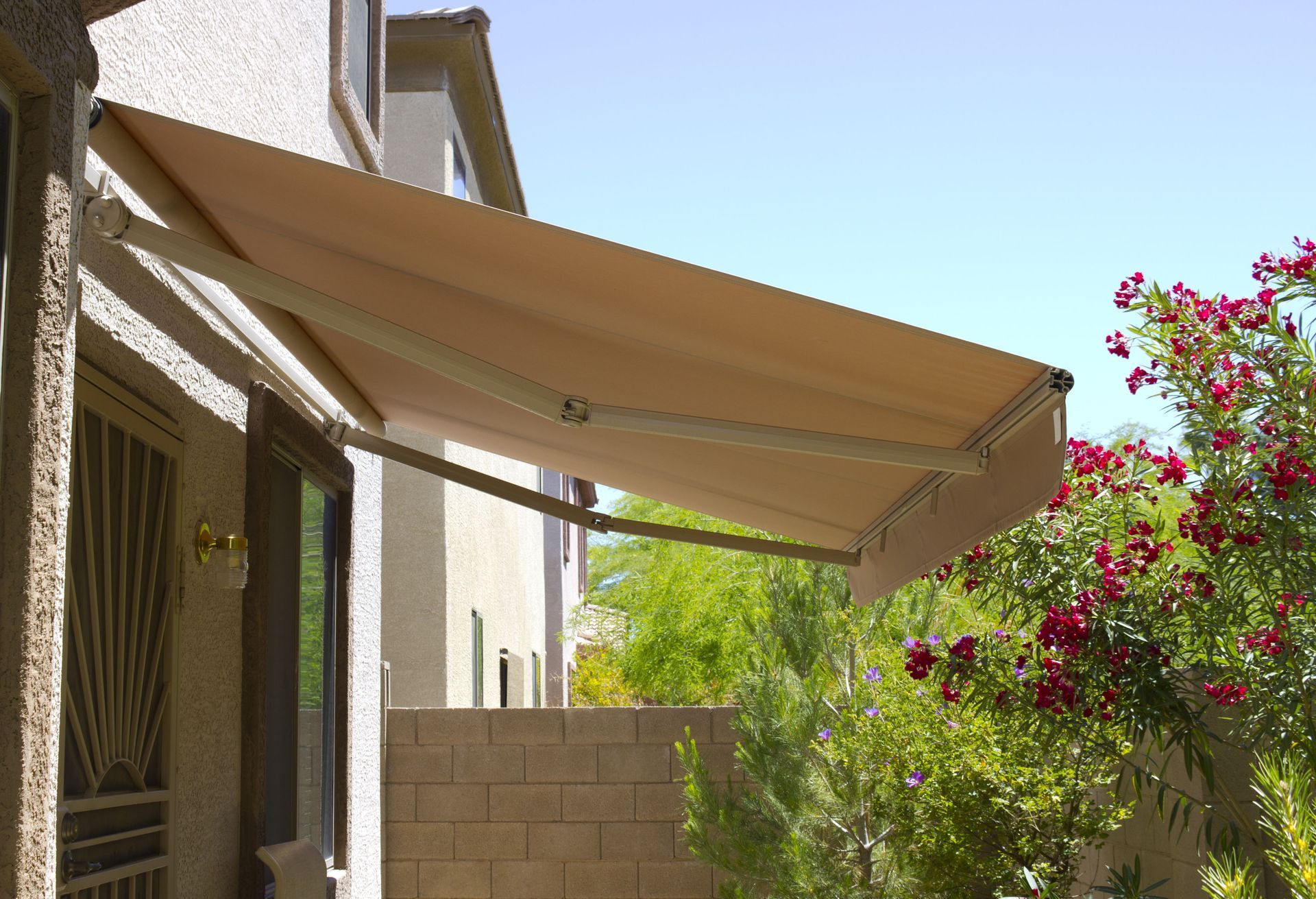
As weather patterns shift throughout the year, property owners face the ongoing task of property maintenance. Shading structures require specific attention to withstand harsh conditions. Many individuals invest in outdoor enhancements to improve residential living spaces and provide relief from intense sunlight. Protecting these investments ensures long-lasting functionality and aesthetic appeal. Maintenance routines for retractable awnings dictate how well the materials survive shifting climates and unpredictable precipitation.
Neglected outdoor features deteriorate under constant exposure to sun, rain, and snow. Without intervention, mechanisms fail and fabrics tear. Consistent care schedules mitigate damage and preserve the structural integrity of these additions. Beyond aesthetic considerations, functional shade providers offer immense energy-saving advantages for residential properties. Keeping retractable awnings in peak condition guarantees continuous benefits throughout every climatic phase. Homeowners find immense value in systematic upkeep routines that prevent premature replacement.
Inspecting the Canvas Material for Seasonal Shifts
The fabric canopy sustains direct exposure to environmental elements. Owners must examine the surface for minor tears or stress points. Ignoring small rips leads to catastrophic failures during heavy winds. According to Mordor Intelligence, installing window awnings reduces electricity consumption and cuts solar heat gain by 65% to 77%. Intact canvas ensures optimal shade provision and maximizes these energy benefits. Routine checks of retractable awnings highlight areas needing immediate repair.
Moisture accumulation presents a significant threat to canvas health. Leaves, twigs, and organic debris trapped in the folds promote mold growth. Property owners clear surface debris using a soft-bristled brush. Preventing organic decay requires proactive measures before the weather turns damp and cold. Allowing mold to proliferate destroys the fabric fibers and leaves unsightly stains. Regular sweeping preserves the vibrant colors and structural strength of the material.
Cleaning the fabric involves mild soap and water solutions. Harsh chemicals strip protective coatings from the canvas material. Homeowners must scrub stains with gentle circular motions to avoid fraying the threads. Rinsing the canopy with a standard garden hose removes all soap residue. Leftover detergent attracts dirt and degrades the water-resistant finish. A systematic approach to washing maintains the factory appearance and extends the usable lifespan of the shade structure.
Moisture represents the ultimate enemy of stowed canvas. Retracting a damp canopy guarantees mildew development within the housing unit. Individuals must allow the fabric to attain complete dryness in open sunlight before storage. The drying phase requires patience but prevents irreversible damage to the material. Checking the underside for hidden moisture pockets ensures complete evaporation. Proper drying techniques serve as the final step in seasonal fabric preservation.
Lubricating the Mechanical Parts for Changing Temperatures
Metallic joints facilitate the smooth deployment of shading devices. Temperature fluctuations cause metal components to expand and contract. This constant movement strains the hinges and pivot points. Without proper lubrication, moving parts grind together and generate destructive friction. Residents maintaining retractable awnings understand the necessity of fluid mechanical operation. Squeaking noises indicate metal-on-metal contact and signal an immediate need for maintenance intervention.
Selecting the correct lubricant prevents future complications. Oil-based products attract dust and create a sticky paste that binds the mechanisms. Silicone-based sprays provide slick surfaces without collecting airborne particles. Property owners apply the spray to visible joints and hinges. The precise application ensures deep penetration into the mechanical assemblies. A well-lubricated system operates in silence and reduces strain on the deployment apparatus.
Excess spray requires removal to maintain a pristine exterior. Individuals must wipe away dripping lubricant using a clean microfiber cloth. Stray silicone leaves permanent stains on canvas materials and alters the appearance of the metal housing. Precision during the maintenance process prevents damage to surrounding components. Careful attention to detail keeps the entire assembly looking pristine while functioning at optimal capacity.
Operating the structure distributes the lubricant across the internal surfaces. Homeowners extend and retract the unit multiple times following the silicone application. This repetitive motion forces the slick fluid into tight crevices and coats hidden friction points. The frame becomes resilient against rust and corrosion. Regular mechanical conditioning guarantees flawless performance when individuals require immediate shade or protection from harsh weather changes.
Protecting the Electrical Systems for Weather Variations
Motorized deployment systems introduce complex electrical components into the outdoor environment. Rain, snow, and extreme humidity threaten sensitive wiring and circuit boards. Homeowners must inspect power cables for cracked insulation or exposed copper. Compromised wires pose severe fire hazards and risk catastrophic system failure. When examining retractable awnings, individuals verify the integrity of waterproof seals surrounding the motor housing. Secure connections ensure uninterrupted electrical performance.
Smart shading units feature integrated weather sensors. Anemometers detect high winds and trigger automatic retraction sequences. Sunlight detectors deploy the canopy to cool the adjacent interior spaces. Debris blocks these sensors and disrupts vital functions. Clearing dust and spider webs from the sensor arrays guarantees accurate environmental readings. Functional monitoring equipment protects the entire assembly from unexpected storms and harsh weather patterns.
Remote control units require specific storage protocols during off-season months. Leaving electronic remotes outside exposes the internal circuitry to condensation. Batteries left inside unused controllers leak corrosive acid over time. Residents must extract the power cells and store the remote indoors. This basic precaution saves property owners from purchasing expensive replacement accessories. Proper electronic management forms a crucial pillar of seasonal property maintenance.
Motorized units feature manual override functions for emergency situations. Homeowners must locate and test the manual crank mechanism before severe weather arrives. Power outages render the motors useless during critical moments. Understanding the manual operation ensures individuals can secure the canopy without electricity. Practicing the manual retraction procedure builds confidence and readiness. Preparedness prevents panic when storms threaten exposed outdoor structures.
Securing the Structural Framework for Climatic Adjustments
The structural framework provides the backbone for the entire shading system. Aluminum and steel beams resist heavy loads and maintain the canopy tension. Strong winds place immense stress on these support beams. Owners must inspect the metal for subtle bends or hairline fractures. Compromised structural elements fail under the pressure of severe weather. A sturdy framework guarantees the longevity and safety of the installation.
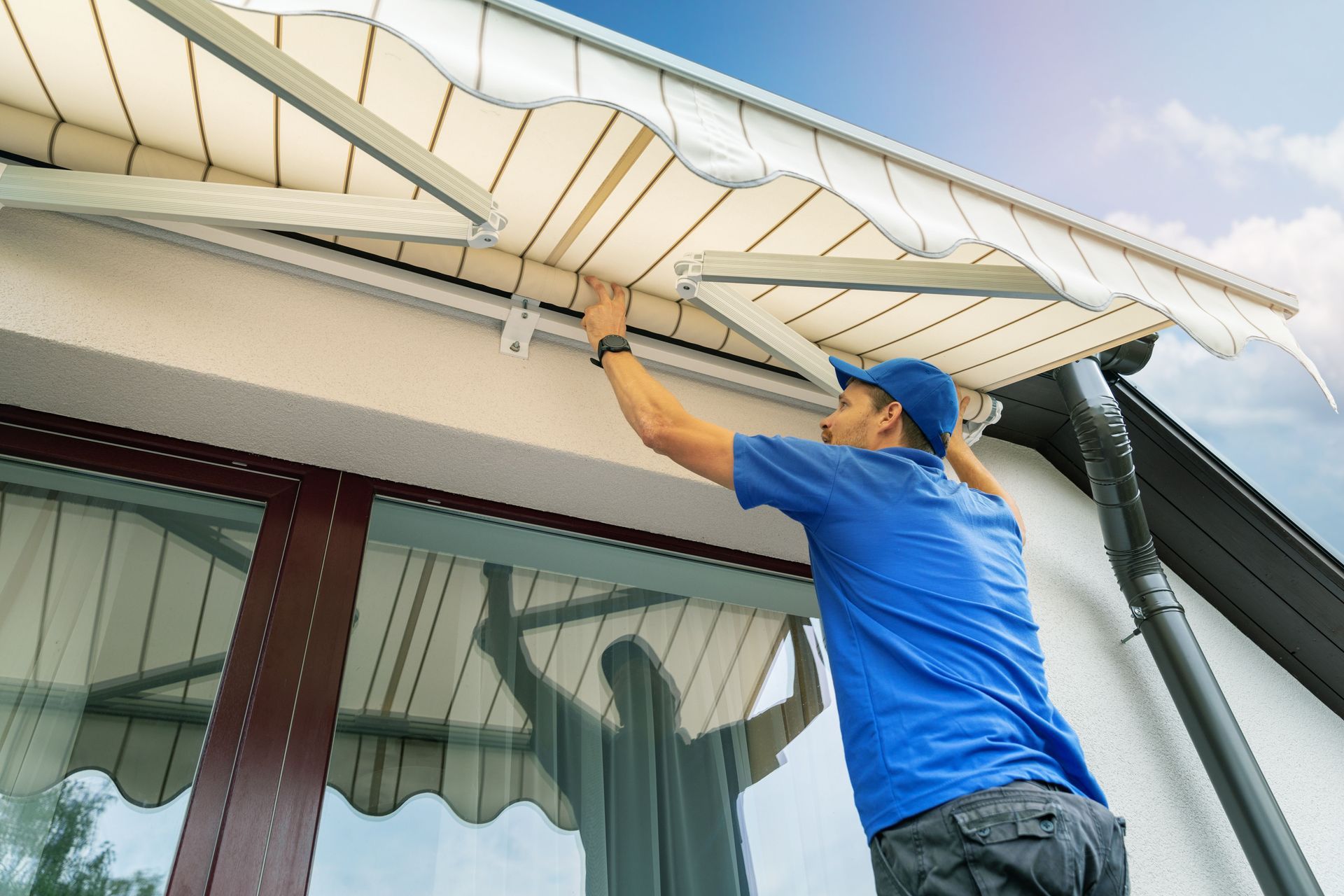
Mounting brackets anchor the device to the exterior wall. Structural shifts in the building cause these attachments to loosen over time. Individuals utilize a wrench to tighten visible bolts and screws. A secure connection to the house prevents the unit from detaching during gale-force winds. Verifying the integrity of the wall mounts remains the most critical safety procedure in the maintenance routine.
Corrosion compromises the strength of the metal supports. Coastal environments and regions with heavy snowfall accelerate the rusting process. Homeowners must identify small rust spots and treat the affected areas with rust-inhibiting paint. Sealing exposed metal stops oxidation and maintains the structural capacity of the frame. Proactive rust management extends the life of the metal and prevents brown stains from dripping onto the patio.
Leveling the front profile bar ensures proper water runoff. A misaligned frame allows rain to pool in the center of the canvas. The immense weight of trapped water stretches the fabric and bends the metal supports. Adjusting the pitch requires precision and patience. Residents verify the slope using a standard bubble level. Proper drainage protects the entire investment from water-induced structural collapse.
Adapting to seasonal changes requires dedication and observation. Consistent care routines transform vulnerable outdoor installations into durable residential assets. Ignoring maintenance protocols invites rust, mold, and mechanical failure. Homeowners who dedicate time to these procedures enjoy pristine shading devices year after year. Well-maintained retractable awnings elevate the outdoor living experience and provide reliable shelter. Contact us at Sunshade today to prepare your outdoor spaces for the shifting weather. We are ready to help you maintain your retractable awnings so you can enjoy comfortable, protected living areas all year long.