August 24, 2026
Energy efficiency remains a top priority for modern households looking to manage rising utility costs and minimize environmental impact. Direct solar heat entering through windows significantly increases indoor temperatures, forcing cooling systems to work harder and consume more electricity. Strategic awning installation offers an immediate, effective solution to block solar radiation before it enters living spaces. By examining thermal benefits, architectural integration, and long-term maintenance, property owners can discover how these structures yield substantial utility savings while improving overall comfort.
When sunlight strikes an unprotected window, the glass acts like a greenhouse, trapping radiant heat indoors and rapidly elevating room temperatures. Standard interior blinds or curtains can block light, but they do so after thermal energy has already passed through the window pane, leaving heat trapped inside the living space. Exterior window shades interrupt this heat transfer process entirely by stopping solar energy on the outside of the building envelope, creating a cooler microclimate right around your home's perimeter.
Understanding Awning Types and Material Performance
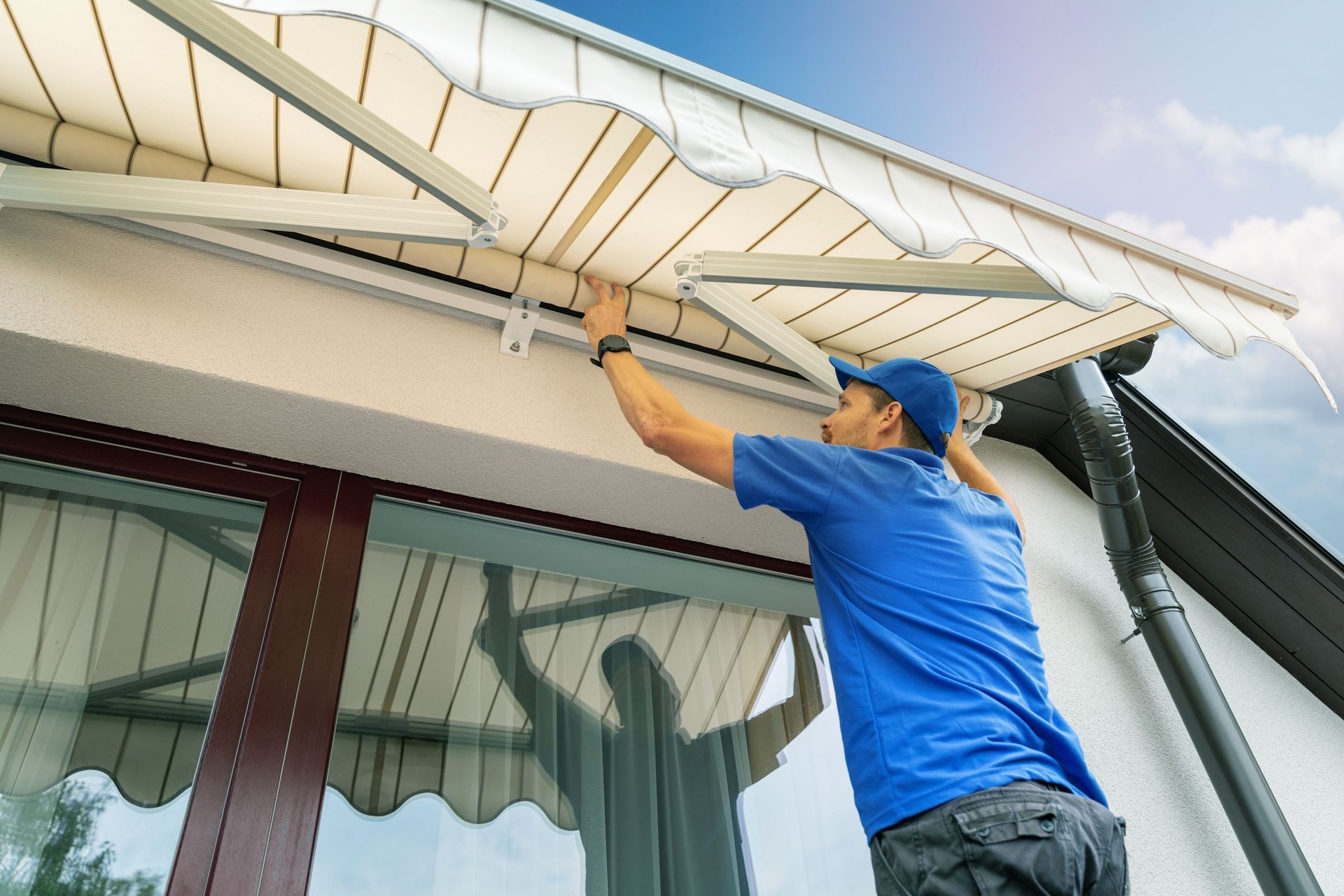
Awnings serve as exterior architectural features placed over windows, doors, or patios to limit direct sunlight exposure. Modern designs range from fixed structures that offer permanent weather coverage to versatile retractable systems operating manually or via motorized controls. Fabric choices including acrylic, vinyl, and polyester provide strong UV resistance, while structural aluminum frames deliver minimalist durability in harsh climates. Premium woven acrylics offer breathability that allows hot air to escape upward through the material rather than pooling directly underneath the canopy.
Selecting the right configuration depends on microclimate demands, budget parameters, and desired operational flexibility. Retractable models allow homeowners to extend shade during peak summer heat and retract the canopy during winter to capture natural solar warmth. This adaptability transforms an ordinary building exterior into a dynamic thermal barrier tailored to seasonal shifts. Smart home technology integration now allows motorized awnings to extend automatically based on real-time solar intensity or temperature sensors.
Beyond basic energy management, material quality directly influences operational longevity and thermal resistance. High-grade fabrics are engineered with specialized chemical coatings that resist fading, water penetration, and mildew formation over years of intense weather exposure. Heavy-duty aluminum structural components prevent rust and corrosion, ensuring that the awning mechanism operates smoothly even after repeated exposure to salt air, humidity, or heavy rain events.
Evaluating Thermal Impact and Energy Savings
Solar radiation entering through clear window glass is a primary contributor to high interior cooling loads. According to the U.S. Department of Energy (DOE), window awnings can reduce solar heat gain by up to 65% on south-facing windows and up to 77% on west-facing windows. This direct reduction in solar gain prevents room temperatures from spiking during the hottest hours of the day, significantly stabilizing internal ambient temperatures.
By keeping interior environments naturally cooler, proper awning installation reduces overall reliance on air conditioning equipment. Air conditioners experience less operational stress, leading to decreased monthly kilowatt-hour consumption, fewer mechanical breakdowns, and an extended equipment lifespan. The resulting drop in electric utility bills generates a reliable financial return on investment over time while lowering household carbon emissions.
In addition to lowering utility costs, reducing indoor solar exposure protects interior surfaces from ultraviolet degradation. Direct sunlight causes severe fading and premature deterioration of expensive hardwood floors, leather furniture, artwork, and custom window treatments. By acting as a primary shield against harmful ultraviolet rays, exterior shading preserves your indoor furnishings and delays costly residential interior renovations.
Optimizing Design for Seasonal Efficiency
Maximizing energy reduction requires precise alignment with the sun's path across different seasons. South- and west-facing elevations demand primary attention, as these exposures receive the most intense solar heat throughout the afternoon. Customizing the width, projection, and pitch of the awning ensures optimal coverage without completely cutting off natural interior daylight, striking a balance between glare reduction and adequate indoor illumination.
Integrating the design smoothly with existing architectural features enhances both functionality and residential curb appeal. Choosing proper materials, such as wind-resistant frames or salt-resistant coatings for coastal environments, protects the structure against regional weather hazards. Thoughtful placement delivers maximum shading performance while adding visual value to the property, creating cohesive outdoor living spaces that seamlessly extend your usable home floor plan.
Proper sizing requires evaluating local latitude and window drop measurements to calculate exact solar angles during mid-summer peak hours. An awning set at an improper angle may allow low-angle sunlight to slip beneath the frame, reducing shade coverage when cooling demands are highest. Working with custom dimensional planning ensures that shade projection is maximized during summer months while still admitting pleasant daylight during lower-sun winter afternoons.
Navigating Installation and Regulatory Standards
Property owners must choose between self-installation and hiring experienced professional contractors. Professional installation ensures structural stability, accurate mounting pitch, and strict adherence to local building codes or municipal permit requirements. Selecting certified installers minimizes the risk of improper fastening, which could otherwise damage building envelopes, cause water leaks, or void product warranties.
Project costs vary based on material quality, overall dimensions, frame mechanics, and optional motorized features. Obtaining comprehensive quotes and verifying contractor credentials helps keep the project within set financial parameters. Proper early planning guarantees a smooth installation timeline and long-lasting operational performance that withstands local weather forces without compromising building integrity.
Before mounting heavy hardware on exterior walls, installers must evaluate underlying structural framing to ensure secure anchorage into solid studs or masonry. Inadequate mounting into hollow siding or thin trim can lead to structural failure during severe wind events. Professional installers inspect wall framing, calculate structural load limits, and use specialized flashed fasteners that seal out moisture penetration around mounting brackets. Beyond physical mounting integrity, navigating local regulations requires checking neighborhood homeowner association guidelines and municipal setback rules before purchase. Certain communities impose strict limits on exterior colors, canopy extensions, or frame visibility from street views. Obtaining necessary permits and HOA approvals prevents potential fines or forced removal, ensuring your awning installation remains fully compliant with regional home modification standards throughout its operational life.
Maintaining Awning Components for Longevity
Routine cleaning and periodic structural inspections safeguard the operational life and energy-saving performance of your exterior shades. Dust, environmental debris, and organic buildup should be gently washed away using mild, non-abrasive cleaning solutions to prevent fabric degradation. Inspecting mechanical arms, mounting brackets, and motor housing helps identify minor wear before costly repairs become necessary.
Seasonal maintenance, such as retracting or storing movable units during heavy ice or extreme winter storms, protects internal mechanisms from severe structural stress. Investing modest effort into preventative care maintains fabric elasticity, prevents frame corrosion, and preserves the shading efficiency required to keep energy costs low. Regular maintenance ensures long-term performance and continuous cooling savings for years to come.
Establishing an annual maintenance routine extends hardware life by protecting mechanical joints from premature friction wear. Applying marine-grade lubricants to moving hinges and inspecting electrical connections on motorized units keeps operating sounds minimal and movement fluid. Taking proactive steps to address minor fabric tears or loose hardware prevents cascading damage, keeping your awning system performing efficiently season after season.
Investing in quality shade solutions provides long-term financial relief, enhanced indoor comfort, and lasting architectural value for any property. Properly planned awning installation delivers immediate utility savings while protecting home interiors from intense solar radiation. For more information about the services that we offer, reach out to our incredible team at Sunshade today!